
Sunday City: Life RolePlay
KEFIR!Simulation
4.32.31K Reviews
- Version
- 1.14.4
- Installs
- 5.00M
- Age Rating
- Teen
Screenshots


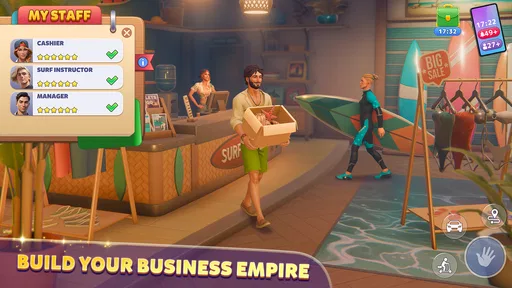





Our Review of Sunday City: Life RolePlay
 Analysis by Appyee
When I judge a mobile life simulator, I look for one thing first: whether its city gives me a reason to make choices instead of simply walking from place to place. Sunday City: Life RolePlay puts that question at the center of its appeal. It is a free simulation game from KEFIR, aimed at Teen players, and its city-life premise is best suited to people who enjoy shaping a character’s routine and seeing how that routine develops. The game launched on November 5, 2025, and its current version is 1.9.1.
A city built around making a life
The most useful way to approach Sunday City is as a role-playing sandbox rather than a checklist of activities. The draw is the idea of choosing who your character will be, then giving that identity some shape through work, personal style and the spaces they use. That kind of open-ended play can feel more personal than a simulator that sends you through a fixed sequence of objectives.
The game’s central promise is an open city where you can explore and build a business life. I find that combination more interesting than a setting that is only decorative: exploring gives your character somewhere to go, while the business angle gives those outings a broader purpose. The balance between those elements is what will determine whether the experience clicks for you. If you mainly want a clear story with a defined ending, a more narrative-driven game is likely a better fit.
How the loop feels in practice
When I play a life simulator, I get the most from it by choosing a small goal before I begin. That might be improving one part of my character’s life or spending a session exploring rather than trying to do everything at once. Sunday City’s open-world framing suits this approach: a short visit can have its own focus, while a longer session leaves room to pursue several related goals.
One practical tip is to treat exploration as a way to learn the city, not as a race to cover every location. Pay attention to where you naturally want to return and what activities feel connected to the kind of life you are building. That makes the setting easier to navigate mentally and helps keep open-ended play from turning into aimless wandering. I would also avoid spending resources impulsively if the game gives you several ways to develop your character or business; deciding what matters most first makes progression feel more intentional.
That kind of self-directed rhythm is a strength, but it also places some responsibility on the player. If you want the game to tell you exactly what to do at every moment, a more mission-led simulation may feel more satisfying. Here, the more rewarding question is often not “What is the next required task?” but “What do I want this character’s day to look like?”
A good fit for short, flexible sessions
A realistic use case is playing during a quiet break: I could open the game with one modest aim, spend the session working toward it, then leave without needing to finish a long story chapter. On another day, I might have more time and use the same city for a longer stretch of role-play. This flexibility is valuable for mobile play, where sessions are often interrupted, but it works best when you are comfortable setting your own pace.
The business-building idea also gives players a useful lens for deciding what to prioritize. Instead of treating every activity as equally important, I would connect choices to a simple personal plan: develop the character’s working life, explore the city, or focus on the kind of everyday identity you want to role-play. That is a small change in approach, but it can make a broad simulator feel more coherent. It also gives you a reason to return beyond collecting a string of unrelated accomplishments.
For a different kind of play, the social side can make the city feel less solitary. Interaction with other players is part of the game’s appeal, though I would go in expecting that shared play can be less predictable than a solo routine. If you prefer to control every moment and avoid the uncertainty of multiplayer encounters, a single-player life sim may be the calmer option.
What it does differently from familiar simulators
Compared with a conventional life simulator focused mainly on managing a household or following a character’s personal milestones, Sunday City emphasizes an explorable urban setting and the ambition of building a business presence. That shift matters: the environment is not just a backdrop for domestic routines. It encourages you to think about how your character fits into a wider city and what kind of role they might take there.
It is also different from a city-building game in the usual sense. If you want to place roads, manage a population from above or optimize a city’s infrastructure, this is not the same kind of strategic experience. The point here is to inhabit a character’s life rather than oversee a city as an administrator. That distinction is worth understanding before downloading, because the word “city” can suggest very different genres.
Sunday City has drawn an average rating of 4.5 from around 22,000 ratings, and it has passed one million installs. Those figures suggest that the premise has found an audience, but they do not settle whether its open-ended style is right for you. I would use them as context, not as a substitute for deciding whether you enjoy role-play, self-directed goals and a city setting.
Where the trade-offs show
The freedom that makes this sort of game appealing can also make it feel loose. Without a personal goal, exploring may not provide enough direction, especially if you are accustomed to games with a strong campaign or frequent structured challenges. My advice is to choose a theme for each session—career, city discovery or character development—rather than expecting the game to provide a compelling objective at every turn.
Another consideration is spending. The game is free to start, with optional in-app purchases priced from $0.99 to $99.99 per item. That is a wide range, so I would set a personal spending limit before buying anything and treat purchases as optional rather than necessary. If you prefer games with a single upfront price and no in-app purchase decisions, a paid simulator may suit you better.
The multiplayer element is a trade-off too. Other players can add spontaneity and make shared spaces feel more lively, but social play is not always as predictable or focused as a solo activity. If you are opening the game for a quick, quiet break, it may help to choose an individual objective rather than depend on finding a particular kind of interaction. Players who actively want to meet others and improvise together are more likely to see this as a strength.
It is a Teen-rated game, which is useful context for families and younger players considering it. I would still make the decision based on the player’s comfort with social gaming and the presence of optional purchases, not just the age label. For adults who want a serious business-management simulation, the role-play framing may also feel lighter than a dedicated management game; for players who want a city to inhabit, that same focus is more appealing.
Who is most likely to enjoy it
I would recommend Sunday City to players who like building a character’s identity over time, enjoy exploring a virtual city and do not need every session to follow a strict script. It is especially suitable if you like switching between personal role-play and broader ambitions rather than committing to one narrow objective. The free entry point makes it easy to try the concept, while the purchase range is a reason to be deliberate if you decide to keep playing.
I would steer away from it if your ideal game is a tightly written story, a deep economic strategy tool or a completely predictable solo experience. It is also less suitable if you dislike open-ended play and feel frustrated when you have to invent your own goals. In those cases, a mission-based role-playing game or a more traditional management simulator will probably provide clearer direction.
KEFIR’s game sits in a recognizable mobile simulation space, but its value depends less on ticking off a universal list of features and more on whether you enjoy creating a routine for a character in an urban world. I would start by giving it a simple purpose for the first session, then see whether the city makes you curious enough to return. That is a better test than trying to judge the whole experience from its premise alone.
The appeal of shaping a city life
First off, Sunday City: Life RolePlay offers a sprawling urban environment packed with possibilities. You can create your own character, customize their appearance, and start building your life from scratch. From choosing a career path to decorating your apartment, the level of detail is impressive. It’s like The Sims, but with a modern twist and on-the-go playability.
Endless Possibilities
What I love most about this game is the freedom it grants you. Want to be a rockstar chef with your own restaurant? Go for it! Prefer being a laid-back artist with a cozy studio? You can do that too. The game’s diverse career options are complemented by an array of hobbies and activities, ensuring you’re never short on things to do.
Your character’s journey is guided by quests and tasks that help you earn in-game currency, which you can then spend on clothes, furniture, and even pets. It’s a rewarding cycle of play that keeps you hooked.
Community Vibes
Another standout feature is the social aspect. The game encourages interaction with other players, fostering a sense of community. Whether it’s teaming up for events or just hanging out in the local café, the multiplayer element adds a layer of fun and unpredictability. You never know who you’ll meet or what adventures await!
Visuals and Sound
The graphics are vibrant and eye-catching, making every street corner and park bench a visual treat. The developers have done a fantastic job creating a bustling cityscape that feels alive. The sound design complements this perfectly, with ambient noises and a catchy soundtrack that immerses you further into your virtual life.
Intuitive Gameplay
For those worried about complex controls, fear not. The game is designed with user-friendliness in mind. The intuitive interface makes navigation a breeze, even for newcomers. It’s easy to pick up and play, allowing you to focus on the fun aspects of building and exploring your city life.
If you’re a fan of games that offer creativity, social interaction, and endless possibilities, then this role-play simulator is a perfect fit. It’s a game that grows with you, providing a sandbox of opportunities to shape a life that reflects your aspirations and dreams.
Final Thoughts
At the end of the day, this city-life game isn’t just a game; it’s a canvas for your urban fantasies. With its engaging gameplay, robust customization options, and social features, it stands out as a unique offering in the mobile gaming landscape. Whether you’re playing for five minutes or five hours, there’s always something new to discover or achieve.
So, grab your smartphone and dive into the bustling world of this virtual city. Trust me, once you start crafting your ideal life, you won’t want to stop!
Privacy and Permissions
See what permissions an app requests and how it handles your data.
- Microphone
- record audio
- Wi-Fi connection information
- view Wi-Fi connections
- Other
- view network connections, pair with Bluetooth devices, full network access, change your audio settings, control vibration, prevent device from sleeping, Google Play license check, read Google service configuration
Verdict
Strengths of Sunday City: Life RolePlay
- Immersive role-playing experience.
- Vast world with diverse locations.
- Customizable character options.
- Engaging community interactions.
- Regular updates and new content.
Limitations of Sunday City: Life RolePlay
- Requires stable internet connection.
- Some in-app purchases are pricey.
- Occasional server lag issues.
- Can be demanding on battery life.
- Limited offline functionality.
Similar Picks in This Category
View All
Truckers of Europe 3
Wanda Software4.3

Town Building Life Simulator
XGame Global4.2

Fidget Toys Trading・Pop It 3D
Freeplay Inc4.7

Sculpt People
CrazyLabs LTD4.4

Scary Teacher 3D
Z & K Games4.2

Hair Tattoo: Barber Shop Game
CASUAL AZUR GAMES4.3
Frequently Asked Questions
What is the primary objective of Sunday City: Life RolePlay?
Sunday City: Life RolePlay is a simulation game where players immerse themselves in a vibrant virtual city. The primary objective is to create and develop a unique character, engage in various professions, build relationships, and explore the diverse environments within the city, offering a rich role-playing experience.
Is Sunday City: Life RolePlay free to play?
Sunday City: Life RolePlay is free to download and play, but it includes optional in-app purchases. These purchases can enhance gameplay by providing special items, currency, or faster progression. Players can enjoy the game without spending money, though purchases may offer convenience.
What platforms is Sunday City: Life RolePlay available on?
Sunday City: Life RolePlay is available on both Android and iOS platforms. Players can download the game from the Google Play Store for Android devices and the Apple App Store for iOS devices, ensuring a wide accessibility for mobile users.
Does Sunday City: Life RolePlay require an internet connection?
Yes, Sunday City: Life RolePlay requires a stable internet connection. This connectivity is essential for accessing multiplayer features, updates, and syncing game progress across devices, ensuring an engaging and consistent experience while interacting with other players.
How does Sunday City: Life RolePlay handle player data and privacy?
Sunday City: Life RolePlay takes player privacy seriously, adhering to standard data protection regulations. The game collects necessary data to enhance user experience but ensures that personal information is securely stored and only used in compliance with privacy policies. Players should review the privacy policy for detailed information.
Play our best games!


